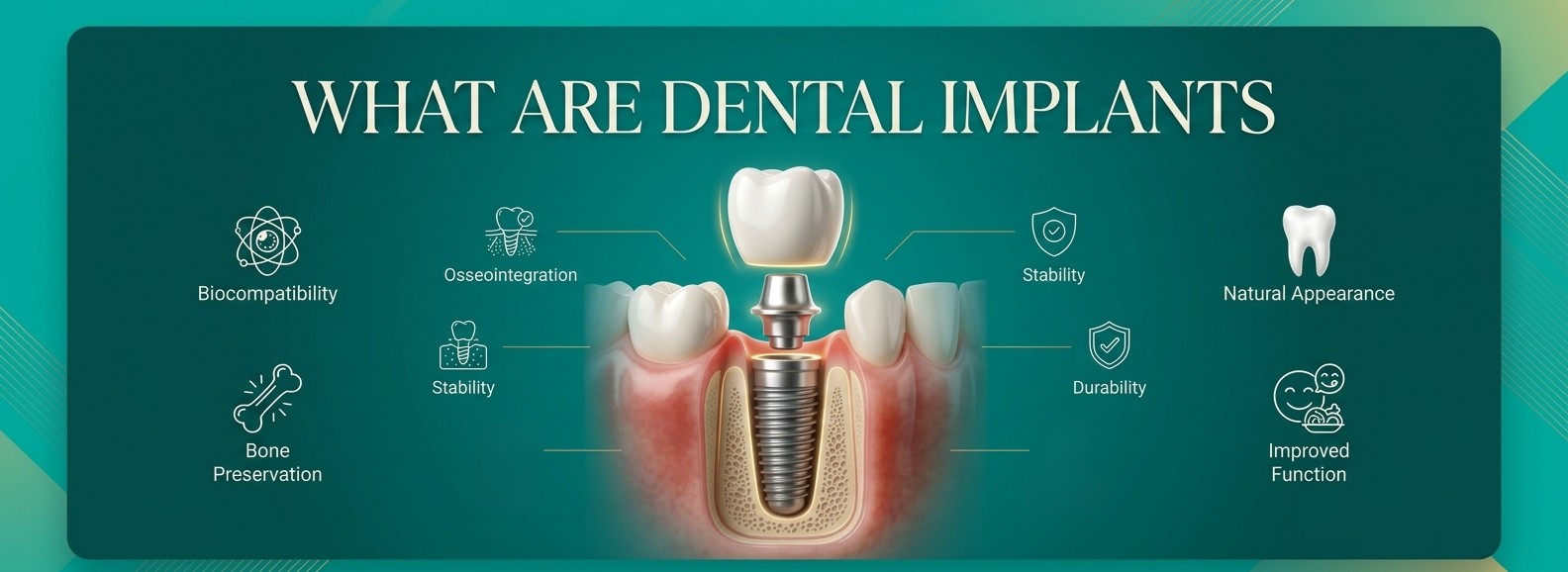
At Olivers Battery Dental Surgery (OBDS), we recognize that the decision to undergo oral surgery requires careful consideration and immense trust in your clinical team. Our dedicated Winchester Implant Dentists are committed to delivering clinical excellence, transparency, and compassionate care. This comprehensive guide will delve into the science behind implants, explore the Types of dental implants, detail the meticulous Dental implants procedure, and explain how our professionals deliver high-quality, efficient, and transformative results for patients seeking dental implants in Winchester.
Tooth loss is a profound clinical issue that impacts far more than just the aesthetics of your smile. When one or more teeth are lost, the underlying jawbone lacks the stimulation required to maintain its density, leading to gradual bone resorption, facial structural changes, and difficulties with speech and mastication (chewing). In the realm of modern restorative dentistry, dental implants are the undisputed gold standard for replacing missing teeth. They are the only restorative and Cosmetic Dental treatment that successfully mimics both the root and the crown of a natural tooth.
What Are Dental Implants?
To fully appreciate the applications and longevity of dental implants, it is crucial to understand their clinical anatomy. Unlike traditional removable dentures that rest on the mucosal tissue (gums) or conventional bridges that rely on the structural alteration of adjacent healthy teeth, dental implants are surgically anchored directly into the jawbone.
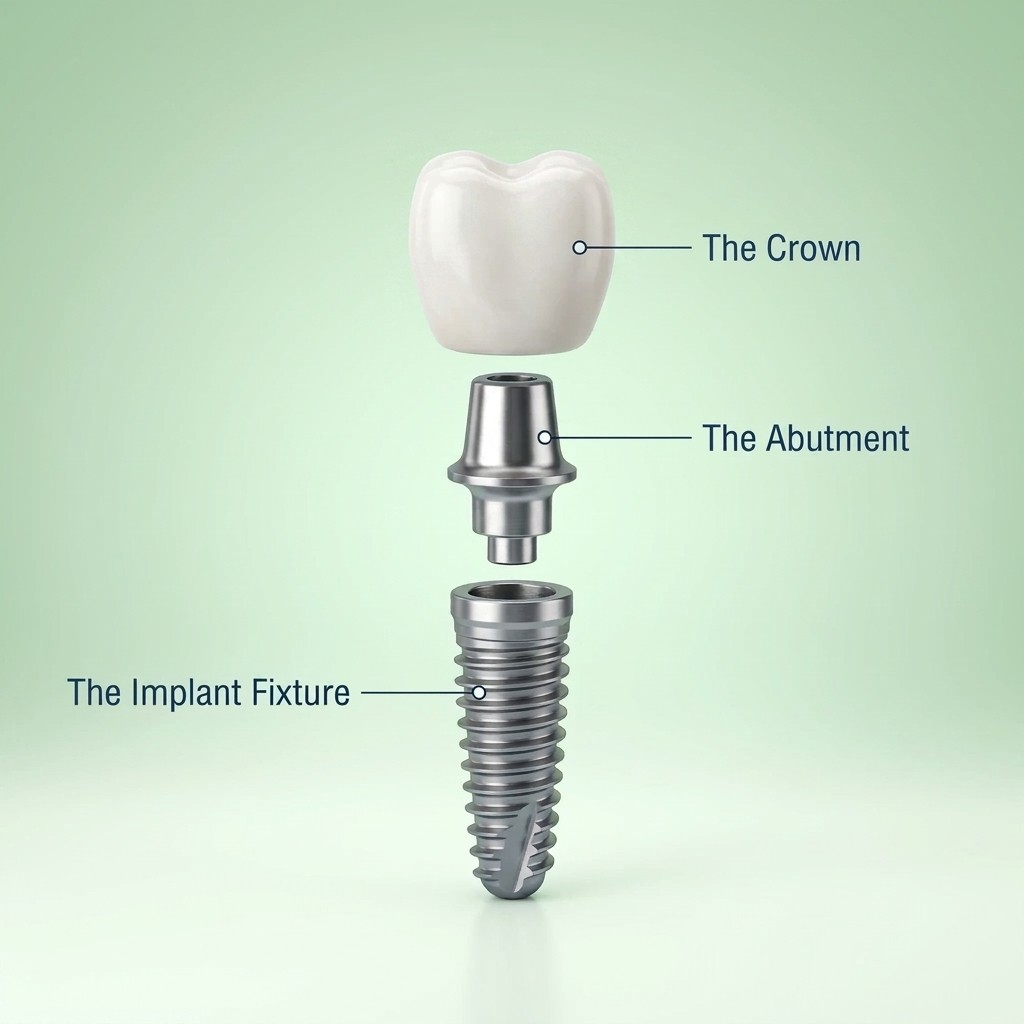
A standard, modern dental implant system is composed of three distinct, precision-engineered components:
- The Implant Fixture (The Titanium Post): This is a small, bio-engineered screw, almost universally fabricated from biocompatible commercial pure titanium or titanium alloys. It is surgically placed into the alveolar bone and serves as a highly durable artificial tooth root.
- The Abutment: This is a connecting component that is securely attached to the top of the implant fixture once the initial healing phase is complete. The abutment extends just above the gum line and acts as the structural anchor for the final artificial tooth.
- The Prosthesis (The Crown, Bridge, or Denture): This is the functional and aesthetic restoration. Whether it is a single ceramic crown or a full arch prosthesis, this component is custom-crafted to match the color, shape, and translucency of natural teeth seamlessly.
The Biomechanics of Osseointegration
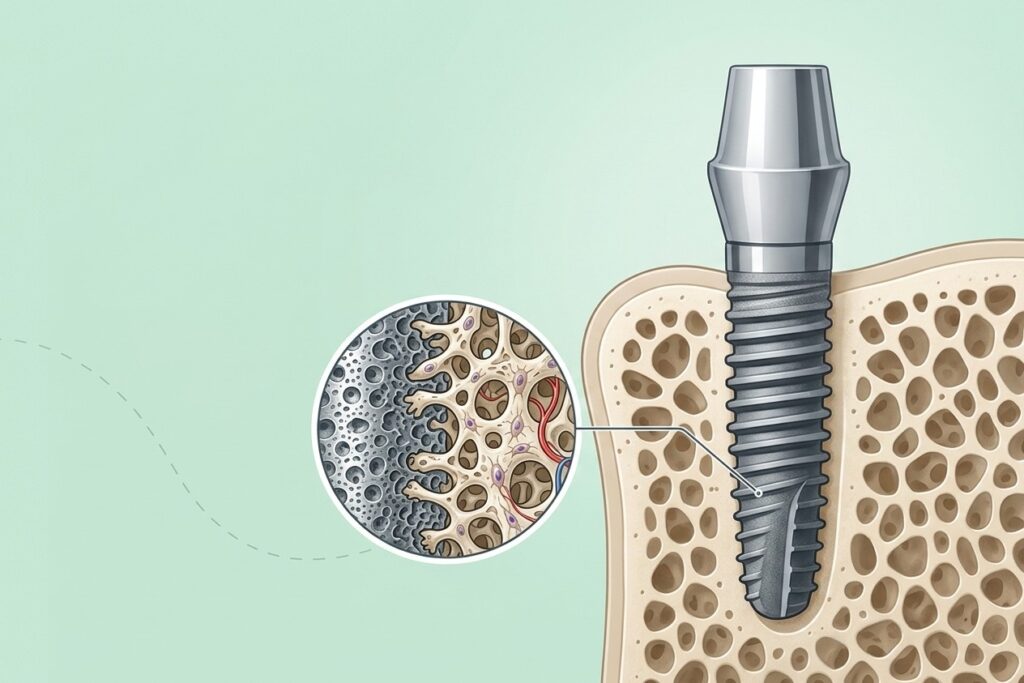
The unparalleled clinical success of dental implants is rooted in a fascinating biological phenomenon known as osseointegration. Because titanium is highly biocompatible, the human immune system does not recognize it as a foreign object. Instead, osteoblasts (bone-forming cells) grow directly onto the micro-roughened surface of the titanium post, structurally fusing the implant to the living jawbone.
From a biomechanical perspective, implants restore proper force distribution. In physics, pressure is calculated using the formula P=F/A, where is pressure, is masticatory (chewing) force, and is the area. Traditional tissue-borne dentures place the entirety of the masticatory force onto the relatively small surface area of the gums, resulting in high pressure, discomfort, and accelerated bone loss. Conversely, dental implants transfer the force (F) directly into the dense jawbone, closely replicating the biomechanics of natural teeth and allowing patients to regain up to 100% of their natural bite strength without pain.
Types of Dental Implants and Their Applications
Because every patient’s oral anatomy, bone density, and pattern of tooth loss is entirely unique, there is no one-size-fits-all approach to implantology. The application of implants must be bespoke. At OBDS, our dental implant specialists utilize advanced diagnostics to recommend the most appropriate configurations for your specific needs.
Single Tooth Implant
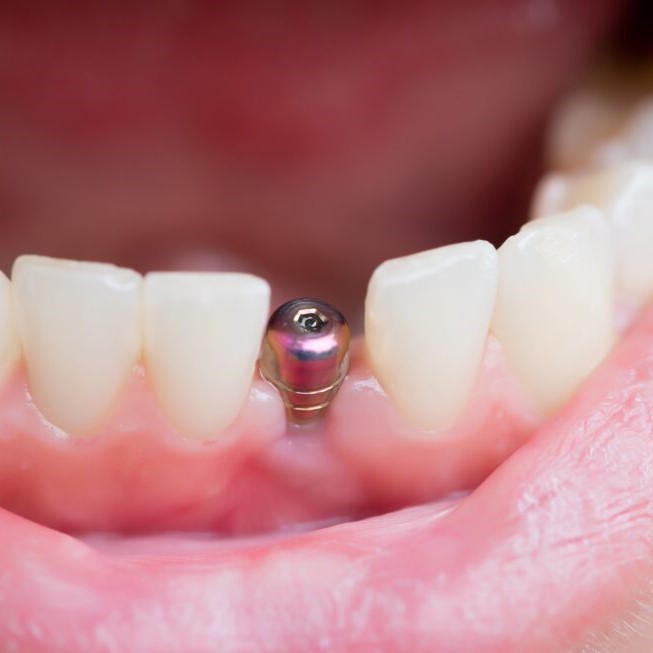
For individuals who have lost a single tooth due to trauma, decay, or congenital absence, a single tooth implant provides an elegant and permanent solution.
- Clinical Application: It replaces the missing tooth independently. Crucially, it does not require the filing down or crowning of adjacent healthy teeth, which is a requirement for conventional three-unit bridges.
- Aesthetic and Functional Benefit: A well-placed single implant topped with a bespoke zirconia or porcelain crown looks, feels, and functions indistinguishably from the natural tooth it replaced.
Implant-Supported Bridges
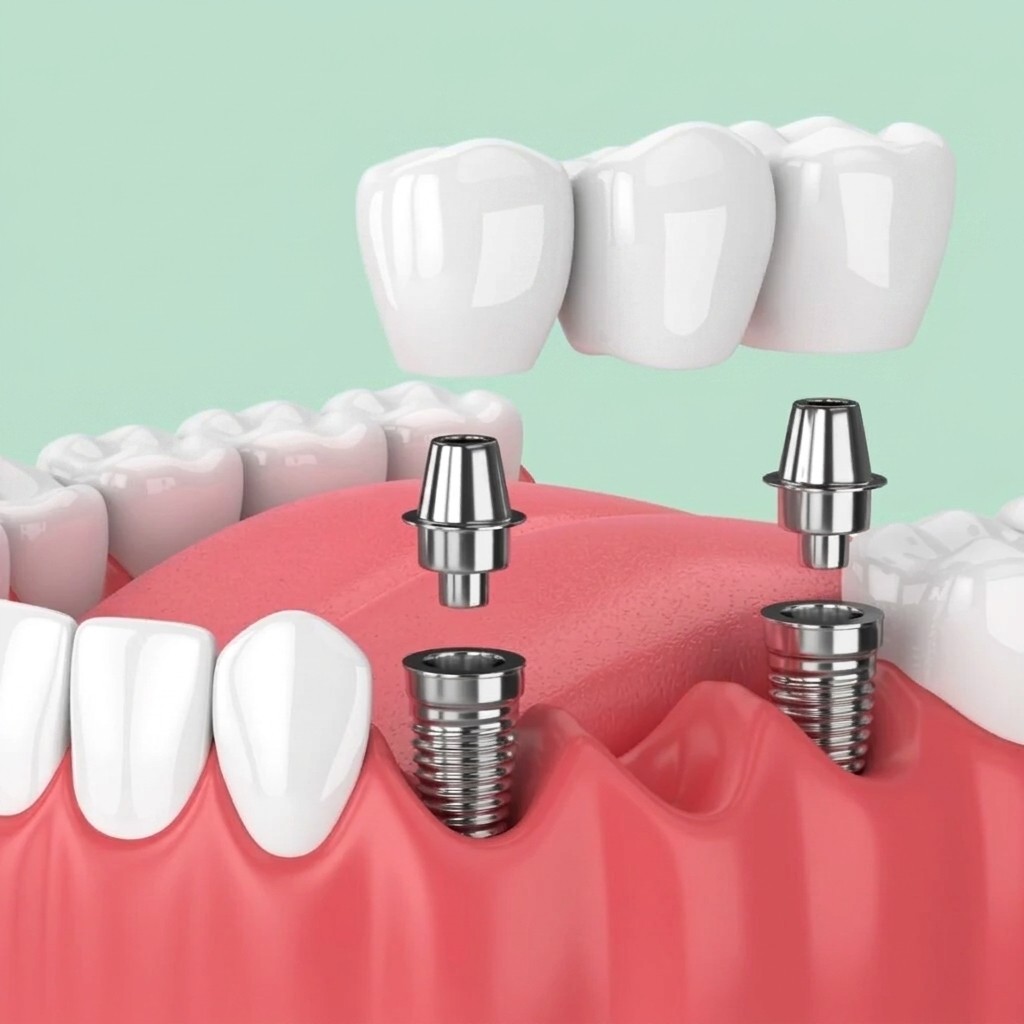
When a patient is missing several consecutive teeth in a row, placing an individual implant for every single missing root is often unnecessary and inefficient. An implant-supported bridge offers a highly stable alternative.
- Clinical Application: Implants are strategically placed at the ends of the edentulous (toothless) span. These implants act as the supporting pillars for a multi-tooth prosthetic bridge that spans the gap.
- Aesthetic and Functional Benefit: This approach reduces the number of surgeries required, preserves bone across the span, and provides a robust chewing surface that will not slip or rely on natural teeth for support.
All-on-4® Dental Implants
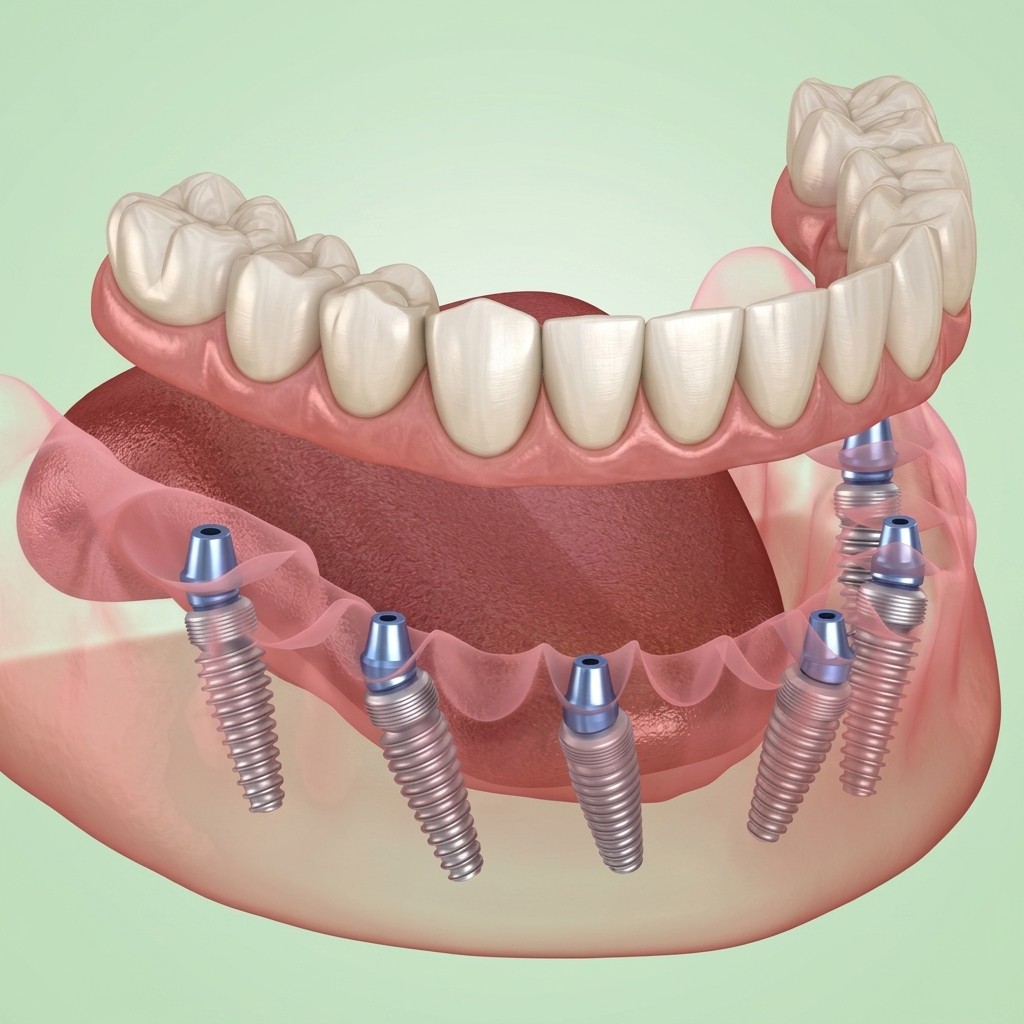
The All on 4 dental implants concept is a revolutionary, scientifically validated surgical protocol designed specifically for patients requiring full mouth rehabilitation, particularly those who have already suffered significant jawbone resorption.
- Clinical Application: This technique utilizes just four highly specialized implants per jaw. The two anterior (front) implants are placed straight, while the two posterior (back) implants are tilted at precise angles (often up to 45 degrees).
- Aesthetic and Functional Benefit: The angulation of the posterior implants maximizes the utilization of available dense bone, frequently negating the need for complex, costly, and time-consuming bone grafting procedures
The Dental Implants Procedure at Olivers Battery Dental Surgery
Step 1: Comprehensive Consultation + 3D Diagnostics
Every successful implant surgery begins with precise digital planning. During your initial consultation with an implant dentist in Winchester, we conduct a thorough clinical examination. We utilize advanced 3D Cone Beam Computed Tomography (CBCT) scanning. This technology provides a high-resolution, three-dimensional view of your jawbone volume, nerve pathways, and sinus cavities.
Step 2: Preparation and Bone Grafting (If Indicated)
If the CBCT scan indicates that your jawbone has thinned excessively (bone atrophy), it may lack the volume required to safely anchor an implant. In these instances, preparatory procedures such as a bone graft or a sinus lift are performed. Synthetic, bovine, or autogenous bone material is used to rebuild the foundation. This graft requires several months to heal and solidify before implant placement can proceed.
Step 3: Precision Implant Placement
On the day of surgery, the treatment is performed under profound local anaesthesia (with conscious sedation options available for patients experiencing dental anxiety). The gum tissue is gently reflected, and using customized 3D surgical guides, the titanium implant fixture is inserted into the pre-planned osteotomy (bony site). The gums are carefully sutured, and the area is left to heal. Our OBDS professionals execute this with minimal tissue trauma, promoting faster recovery.
Step 4: The Healing Phase
This biological waiting period is crucial. Over the subsequent 3 to 6 months, the jawbone cells will multiply and adhere to the titanium surface. During this healing phase, patients are provided with comfortable, temporary aesthetic restorations so they are never without a complete smile.
Step 5: Uncovering, Abutment, and Final Restoration
Once clinical testing confirms that osseointegration is complete and the implant is rock-solid, a minor procedure exposes the top of the implant to attach the abutment. Finally, digital impressions are taken to craft your final prosthesis. Whether it is a single crown or an All-on-4 bridge, our restorative team ensures the bite alignment (occlusion) is flawless and the aesthetics perfectly match your facial profile.
Dental Implants Side Effects and Risks
As a trusted provider of Olivers Battery dental implants, OBDS believes in total clinical transparency. As with any minor surgical intervention, patients must be informed of potential risks and Dental implants side effects, despite the procedure boasting a historical success rate of approximately 95% to 98%.
Normal Post-Operative Effects:
These are a natural part of the body’s healing response and typically subside within 3 to 7 days:
- Mild to moderate localized swelling of the gingiva and cheek.
- Minor bruising around the surgical site or exterior face.
- Post-surgical discomfort (effectively managed with prescribed or over-the-counter analgesics).
- Minor oozing or bleeding on the first day.
Your Attractive Heading
Rare but Serious Complications:
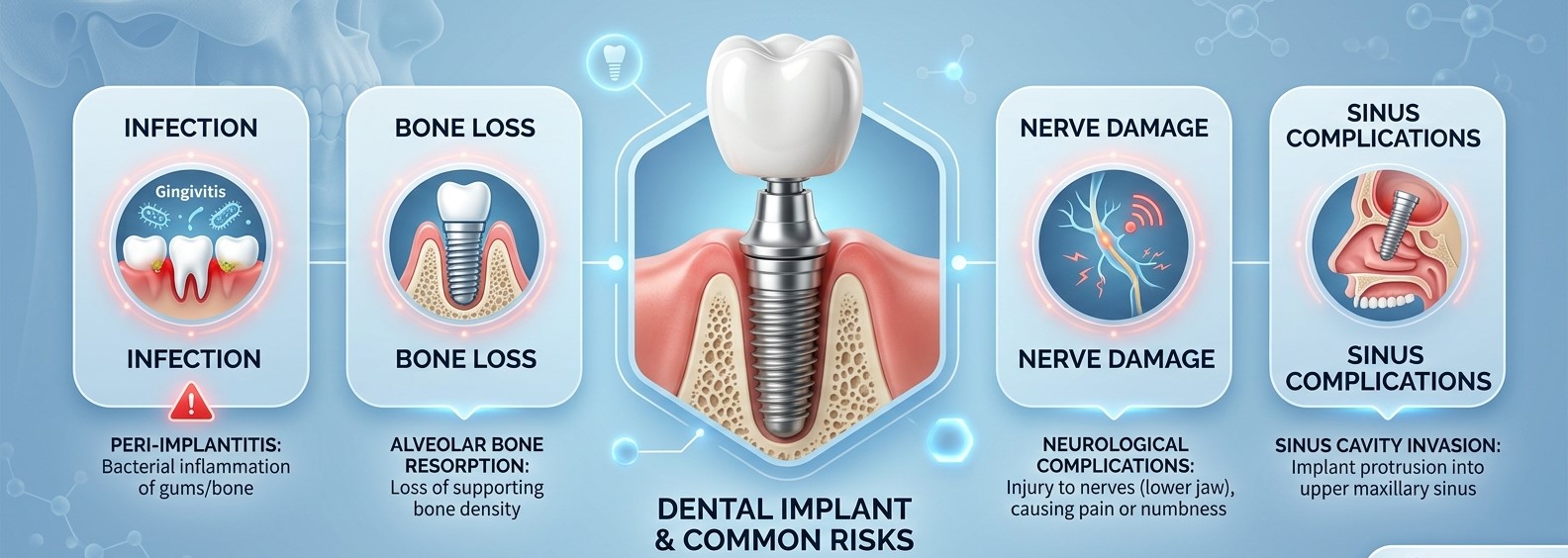
- Peri-implantitis: An inflammatory, infectious disease affecting the soft and hard tissues surrounding the implant, leading to bone loss. Poor oral hygiene, uncontrolled diabetes, and heavy smoking drastically increase this risk.
- Nerve Impingement: Extremely rare due to our mandatory use of 3D CBCT scanning, but if an implant is placed too close to the inferior alveolar nerve in the lower jaw, it can cause tingling or numbness in the chin or lips.
- Implant Failure (Non-Integration): In rare cases, the body fails to osseointegrate the implant, often due to micro-movement during the healing phase or underlying health conditions.
The OBDS Approach to Risk Mitigation:
Our clinical team heavily mitigates these risks through rigorous pre-operative health screenings, the mandatory use of 3D digital surgical guides to prevent anatomical errors, and strict adherence to hospital-grade cross-infection control protocols. We also provide comprehensive oral hygiene education to empower patients to protect their investment long-term.
Traditional Dentures vs. Dental Implants: A Clinical Comparison
To assist potential patients in making an informed healthcare decision, the following table summarizes the clinical and lifestyle differences between modern implants and traditional tooth replacement methods.
| Clinical Feature | Dental Implants (Single/Full Arch) | Traditional Removable Dentures | Traditional Dental Bridges |
|---|---|---|---|
| Bone Preservation | Yes. Titanium posts stimulate the jawbone, actively preventing resorption. | No. Dentures compress the gums, accelerating jawbone loss over time. | No. Bone loss continues beneath the artificial pontic (fake tooth). |
| Impact on Adjacent Teeth | None. Implants are entirely self-supporting structures. | Minimal. Relies on clasps which can wear enamel, but no structural filing. | High. Requires the aggressive shaving down of healthy adjacent teeth. |
| Expected Lifespan | Exceptional. Can last a lifetime (20+ years) with excellent oral hygiene. | Low. Typically require replacement or relining every 5−7 years. | Moderate. Typically last 7−15 years before requiring replacement. |
| Masticatory (Chewing) Efficiency | Restores near 100% of natural biting force. No dietary restrictions. | Restores roughly 20%−25% of natural biting force. Hard/sticky foods restricted. | Restores moderate biting force. |
| Daily Maintenance | Maintained exactly like natural teeth (brushing, flossing, hygiene visits). | Requires removal at night, special soaking solutions, and adhesives. | Requires specialized floss threaders to clean underneath the bridge. |
Why Choose OBDS for Your Dental Implants in Winchester?
When searching for a highly skilled implant dentist in Winchester, the qualifications, technology, and ethos of the dental practice are paramount. At Olivers Battery Dental Surgery, we do not merely place titanium posts; we restore function, confidence, and quality of life. Here is why patients across Hampshire trust OBDS:
Frequently Asked Questions (FAQs)
Reclaim Your Smile at Olivers Battery Dental Surgery?
Living with the physical limitations and psychological burden of missing teeth or ill-fitting dentures is no longer a necessity. Dental implants offer a clinically proven, aesthetically beautiful, and permanent solution that can dramatically elevate your quality of life.
If you are researching dental implants in Winchester and demand care from highly qualified professionals who prioritize precision, safety, and natural-looking results, Olivers Battery Dental Surgery is ready to help you begin your journey.
Do not let missing teeth hold you back any longer. Contact OBDS today to schedule your comprehensive dental implant consultation and take the first step toward a flawless, fully functional smile.